
Termite Control

Terminate your termite problem.
Call Tactical Pest Solutions for an inspection and free estimate.
Termites come in swarms, and their presence is a major warning sign.
They are wood-feasting pests that can deconstruct homes and reduce buildings to sawdust. Subterranean termites are the breed responsible for most damage caused in Oklahoma. They prefer moist environments and tend to swarm in spring. However, they might also cause damage during the winter in particularly warm buildings.
If left untreated, a termite infestation can cause thousands of dollars in damages to your property. Americans spend an estimated $5 billion in termite related treatments and repairs a year. But the good news is that early and effective treatment can eradicate infestations and curb potential damage. Once termites are treated, the protection lasts for years.


Why Termites Are Hard to Detect
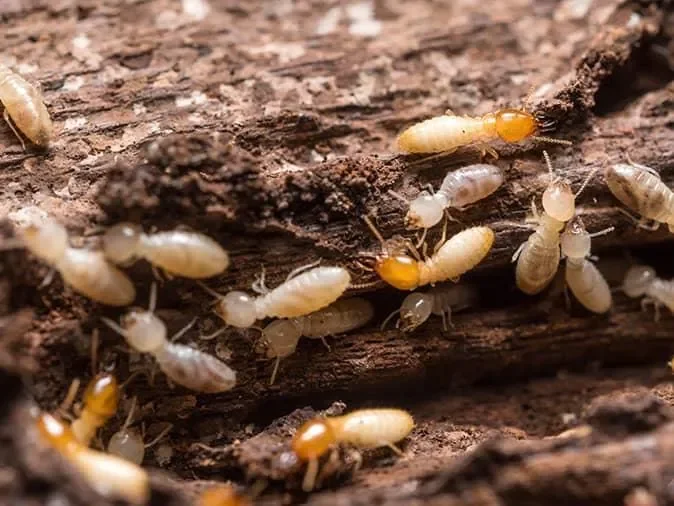
Termites are especially destructive because they often remain hidden while causing damage. Most infestations begin inside walls, beneath flooring, or along a home’s foundation, allowing colonies to grow unnoticed for extended periods of time. Oklahoma’s soil conditions, moisture levels, and common construction practices make homes especially vulnerable, even when they are well maintained. Early detection and professional treatment are critical to stopping termites before structural damage becomes severe and costly.
Warning Signs of a Termite Infestation
Mud Tubes
Termites build mud tunnels approximately the size of straw for insulation and transportation. These commonly appear around the foundation or floors of houses.
Swarms of Insects
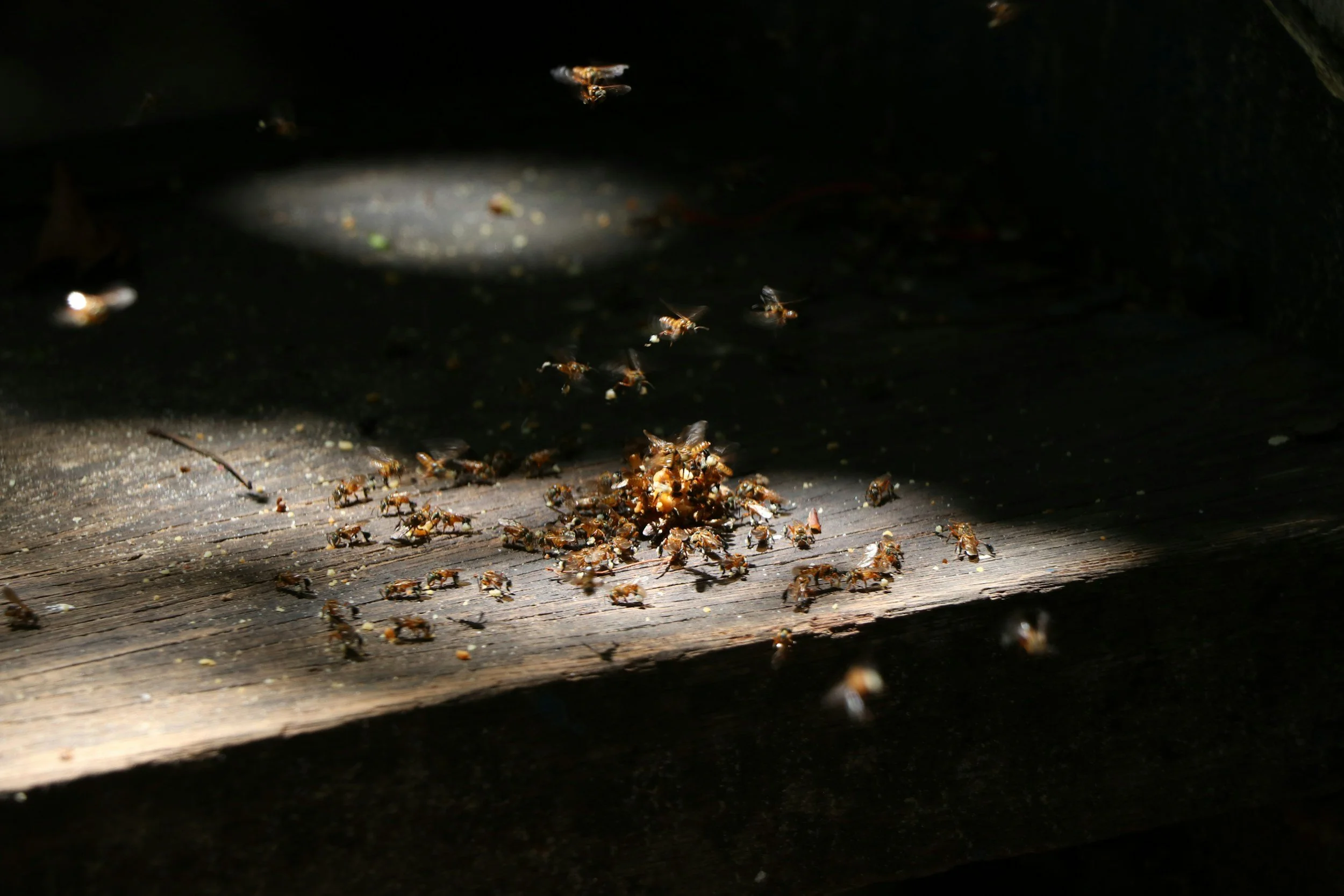
Termites travel in colonies. While preparing to settle in a place, they can be seen flying in swarms.
Discarded Wings
Evidence of gnawing around your baseboards or unexplained holes in wood is a common sign of infestation. Rats' teeth are constantly growing, so they rely on chewing at hard things to shave them back.
Soft Wood
Though they burrow themselves deep inside wood and aren't readily visible, termite damage causes wood to become soft or hollow.
Contact us today to schedule termite control services.